Seeing / Believing
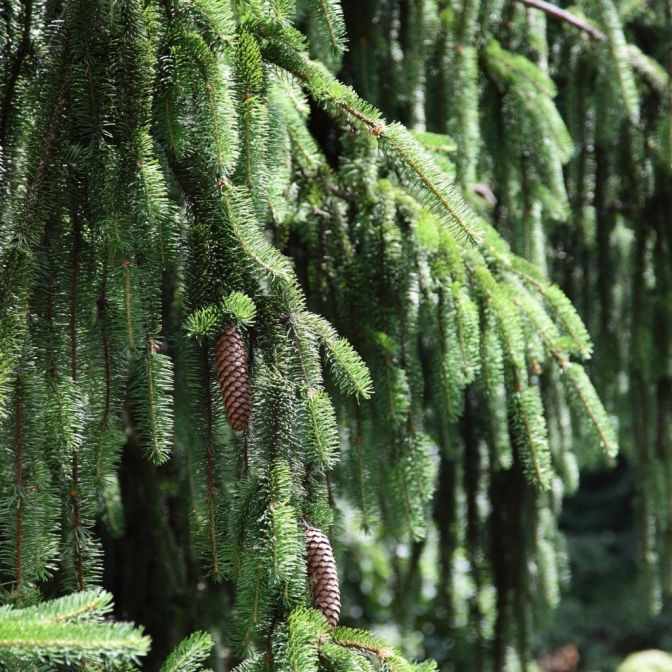
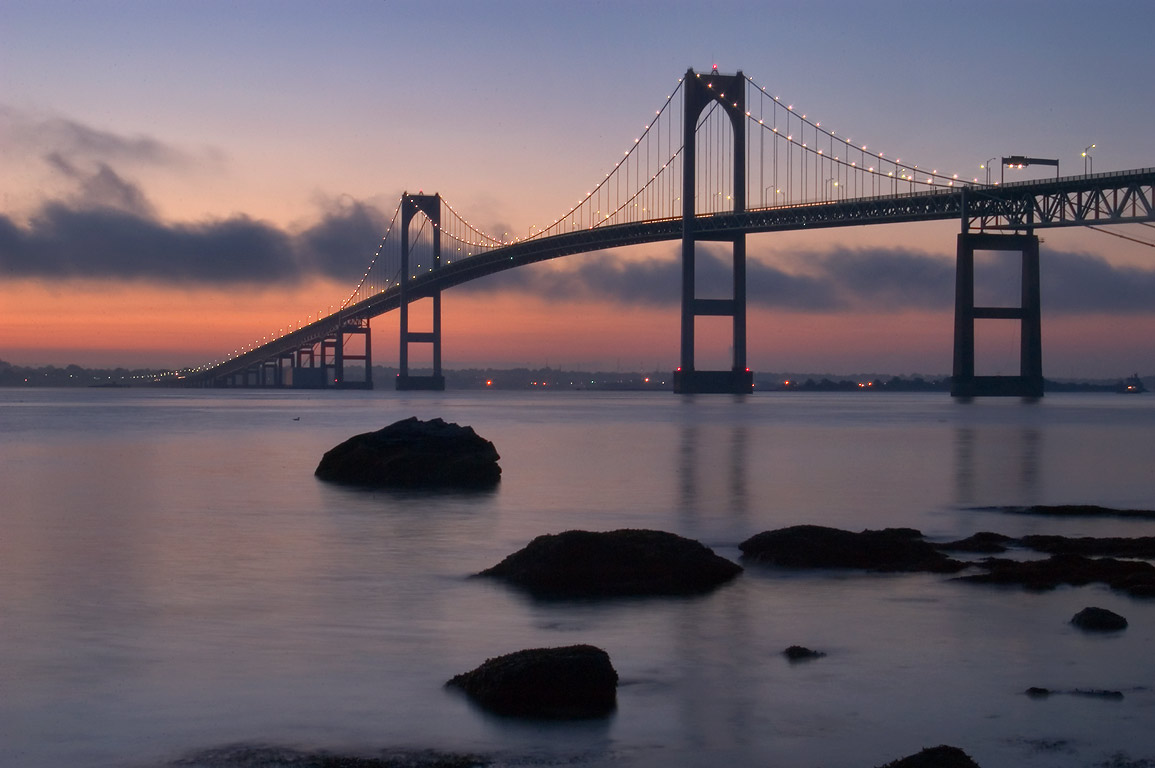
Sometimes the trip to Newport is melancholic, no single reason why, if any. Not exceptionally grey today. No rain. Not the anniversary of any death that I remember. The waters of the Bay beneath the bridge were joyless. The close-packed blocks of houses are just old, not charming. No one is smiling. No couples holding hands. End of March, I guess. Only conifers are green—that dead, dark, ominous green.
The driver had a Christian candy-rock radio station out of Boston on. Don’t know if he was listening or not; media tinnitus. I wanted it to be in some other language, one I would never understand. I wanted to be drivng through a different decade, one from a previous century. We cruised through stop signs. My hands are always cold now. These days are like an eternal dusk. I ask the driver about his home in Kenya. His accent sooths me.
Don’t confuse time with numbers,
unlike knowing seasons by their fruit.
Numbers fragment, pieces get lost,
we forget time’s wholeness, forget
it’s only energy slowed for us to feel.
*
Time, after all, is our mother, our
lifetime companion, guardian angel
& occasional enemy. Everything past
she has stored there inside you.
There are no numbers anywhere there.
Easy there, it’s still your deal, your call
—not everything has meaning.
Primary colors, gulls flying sideways
news a continent away. You choose.
So much else is imposed on you, why
not grab the chance to play favorites?
Yeah, fuck their top ten and the horse
they came in on. Besides, who cares?
Gale warning, nor’easter, yet again.
If today’s news had been different…
another thought swept away…If just
today remains, then all meaning’s there.
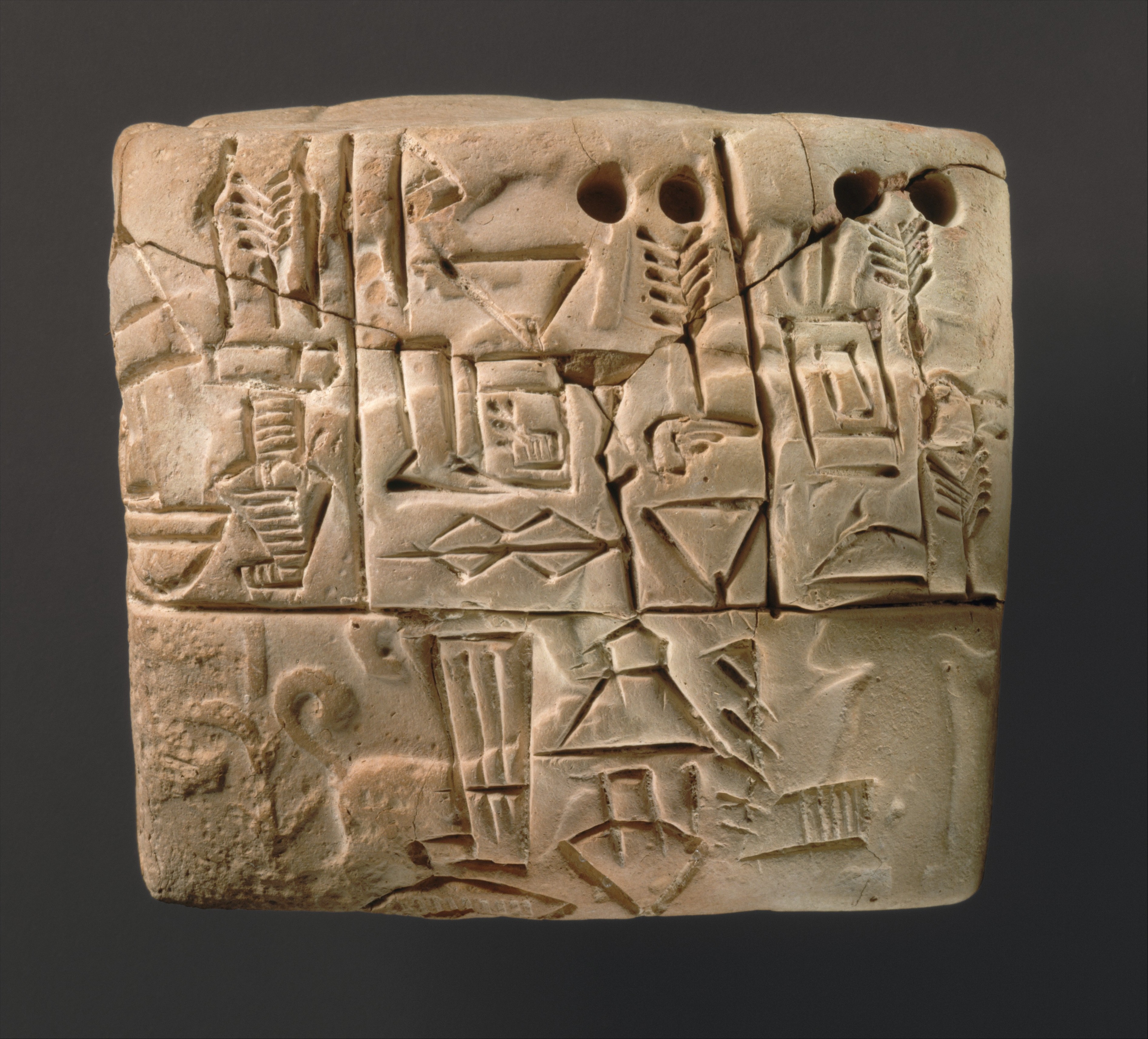
What’s heard set down in clay /
words begetting new words on a page, no erasures /
more words, more words than sounds, no erasures /
type set in lead, word storms bound in books /
letters on a flatscreen backglow with no volunteers for permanence.
Where you are right now
can you yell so loud that
no one else will hear you?
*
Like in a van headed west
somewhere out in Nevada,
a sunset yelp or scream?
*
That time adrift alone off
Fagasa can’t count because
all those terns were listening.
*
And once when I didn’t know
that she was still there to hear
I let my voice escape, go free.
Incense ashes never vanish.
The smoke, the stick, the scent
might have never existed, but…
*
I mean the wind is unseen but
all the shadows refuse to stop
moving like something alive.
*
Whatever goals I had have
hitchhiked off with a laugh
leaving me here, on a park bench
near a children’s playground
watching the limbs of young au pairs.
Remember when selfies
were the two of you scrunched
together striking poses
on that narrow seat behind
the curtain of a boardwalk
photo booth, that strip of
wallet-sized black and white
shots that would last
forever like a memory?
 John Enright: Reality Salad