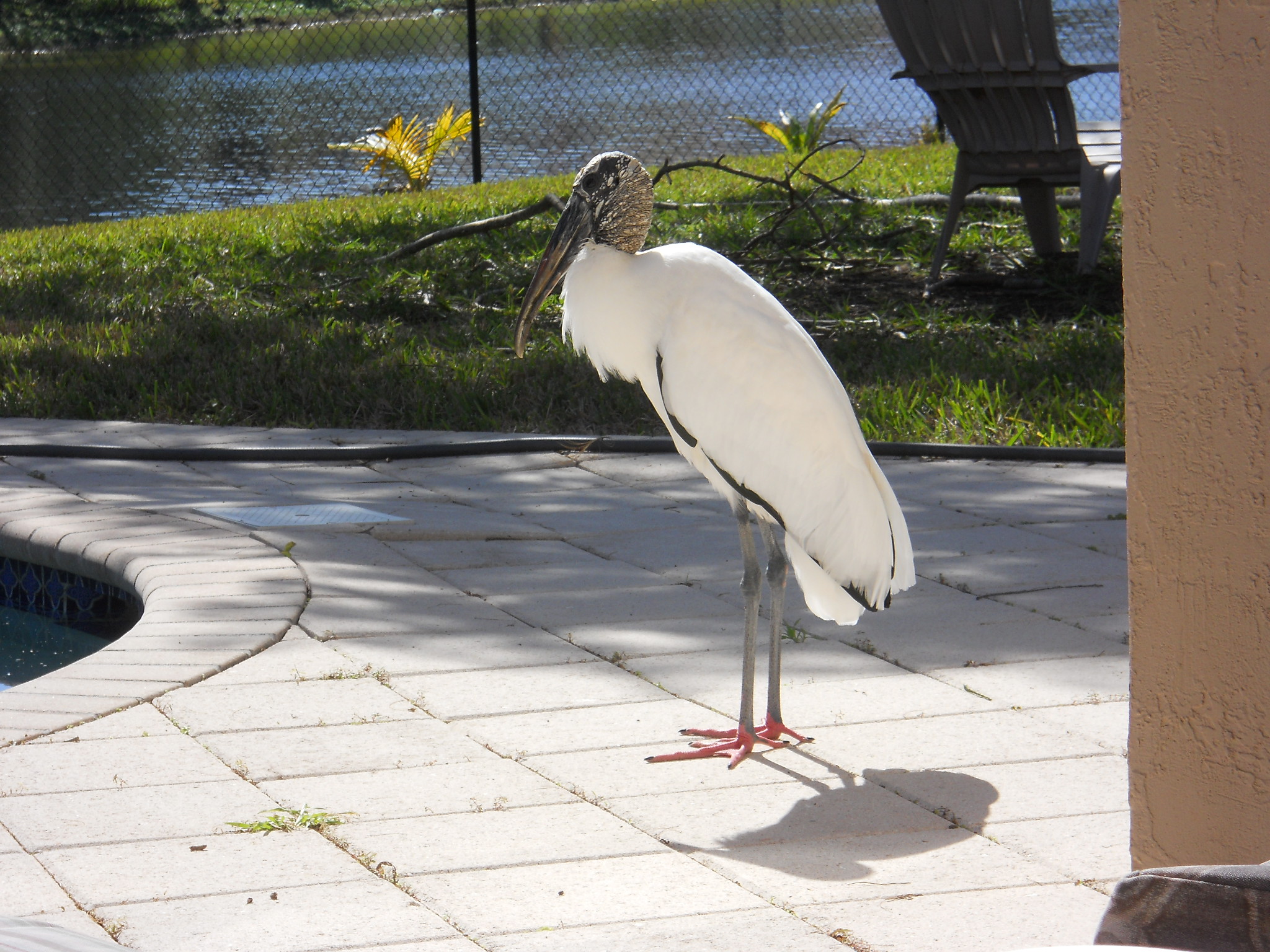
Photo by C. Payne
Photo by C. Payne
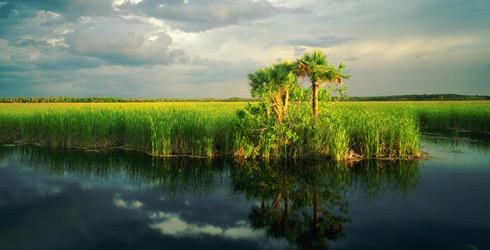 I have never liked South Florida. There is a sameness I find maddening, an Elmore Leonard crime scene encased in traffic, too bright by half. But I did not come here to complain or to draw comparisons. I came here to sit in the sun by my sister-in-law’s pool. The traffic is hard to ignore, though. I doubt there is a place on earth—not even So Cal—where the ubiquity and centrality of the automobile is more pronounced. Nothing is done without the car. People are the creatures that cars contain. Pedestrians are an endangered species. It’s getting on two million people here, but there are many more vehicles. The sound of traffic never subsides. Sirens seem to travel in packs. And there is a franticness about it all, as if everyone is on an essential mission or terminal errand.
More than half of Broward County is part of an uninhabited swamp called the Everglades. Clever name that for a vast wetlands, better than Neverdry. In fact, the county was supposed to be called Everglades County, but a last-minute political switch named it instead after a former governor, Napoleon Bonaparte Broward.
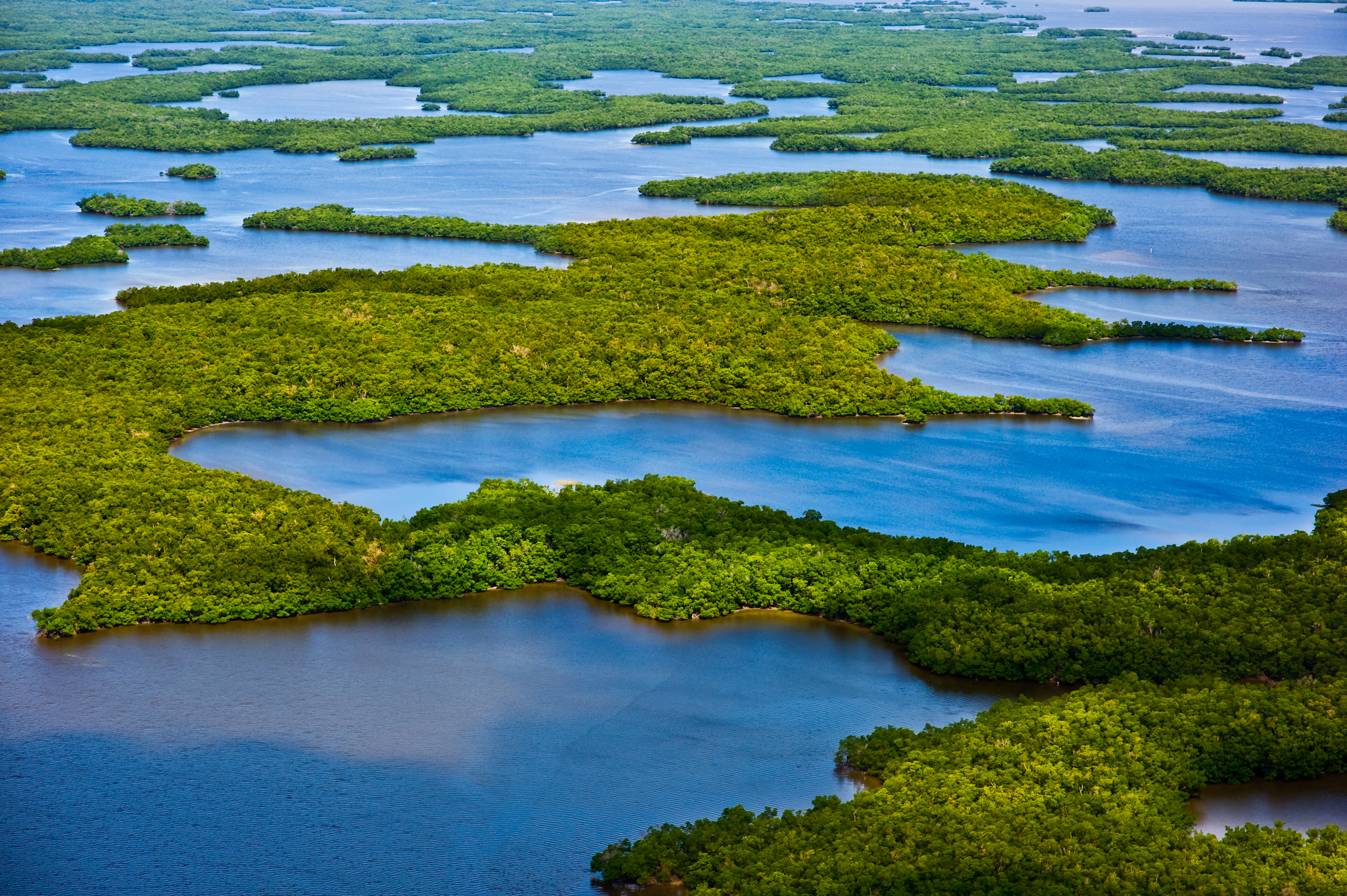
This municipality, Pembroke Pines, ends at the edge of the Everglades. It was carved out of the Everglades. First came canals to drain the swamp. Then large ponds—called lakes—were scooped out of the mud and limestone, their excreta used to mold high ground for streets and houses and strip malls. Gators and panthers and pythons were told to stay west of US 27. This is people country now. Well, car and people country.
Most houses here have one of these unnamed “lakes” beyond their backyards. With the waterways come waterfowl—herons, egrets, ducks, coots, kingfishers—and the waterways become flyways. It’s hard to set up borders against birds. These placid channels are their meandering boulevards to and from the open ‘Glades. I watch twin white egrets flash by just above the water, to the sound of a Kawasaki screaming through its gears over on the avenue.
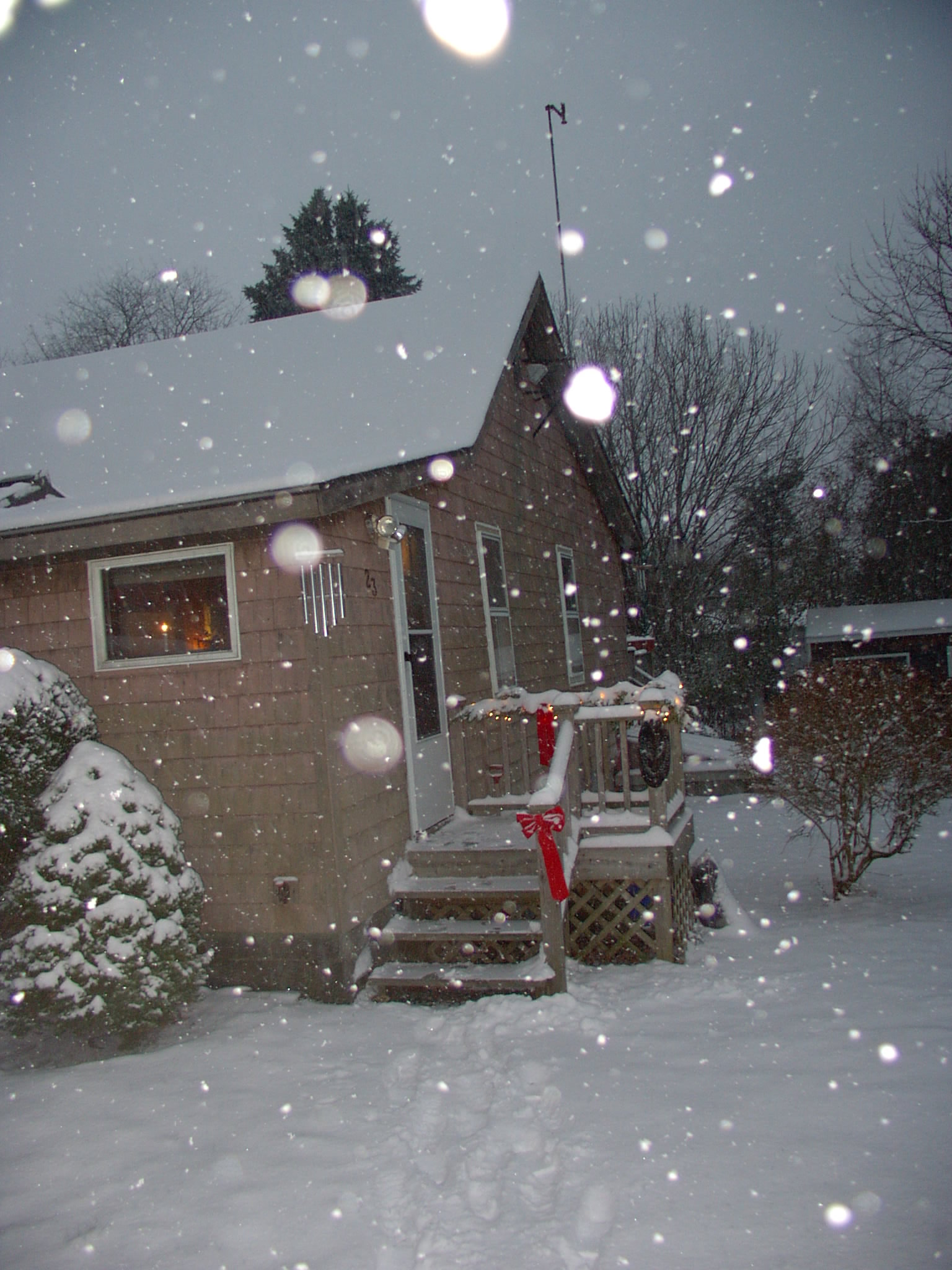
It snowed softly all day today back home. The woods would have been especially hushed, only crows about.
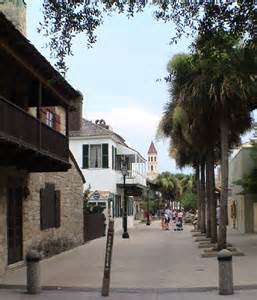
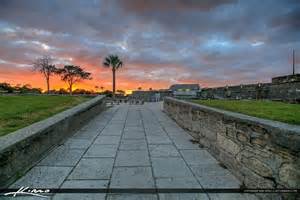 St. Augustine, Florida. Less rush than ever now. We’ve escaped the cold. In Savannah I switched to flip flops. A beach-front hotel room with a balcony looking out over sand dunes to the sea, a full moon rising like a whole note up a scale of clouds. The wind in coconut palms makes a sound it doesn’t make in any other trees—the sound of so many years. I’d almost forgotten. The way the jungle used to breathe at Atauloma.
This was a purposeful stop. I’d never been before. How had I missed this place of so many firsts? Oldest permanent European settlement in the future colonies (1565); first Caucasian birth (1566); first African birth (1606); oldest surviving fort, Castillo de San Marcos (1673); first capital of Florida. San Augustin was also the earliest site of contention for control of the continent that lurked behind it. Spanish, French, British, and the indigenous people would fight for centuries for control. It even figured in the War of Jenkin’s Ear (1739-42). I had never heard of that war either. I’ll leave it to you to look it up. For all its historic firsts, St. Augustine is a humble place today, with fewer than 17,000 residents. The state that has spawned from its seed to the west and south would seem satanic to Ponce de Leone.
Recent additions to the landscape of the states are the cell-phone towers. The tall, slender, tapering fingers of latticed steel festooned with gizmos are never far from sight. Babel towers. How did the nation ever get by without them? The air that surrounds us is the ether the ancients proposed that carries our messages, which saturate us in something called wavelengths. There is no escaping the wavelengths. We pass a tower disguised as a lodge pole pine, only it wasn’t. It was a cartoon tree—fooling no one—of identical fake limbs interspersed with the gray shapes of receivers and transmitters. It was like a joke about itself. Somewhere past Daytona Beach the temperature creeps past seventy.
 Durham, North Carolina. Staying in front of the weather, driving the interstate through country the memory of which I used a couple of novels ago. Civil War central. As often as not the names on the exit signs are the names of famous battlefields—Manassas, Bull Run, Fredericksburg, Spotsylvania—all once quite ordinary places transformed by the blood and gore of young men into historic landmarks. Now, through many of these suburbs the multi-lane highways are enclosed between high walls, streaming human aqueducts, cut off from everything besides their destination.
From Some People Talk with God (#2 of the Dominick Chronicles):
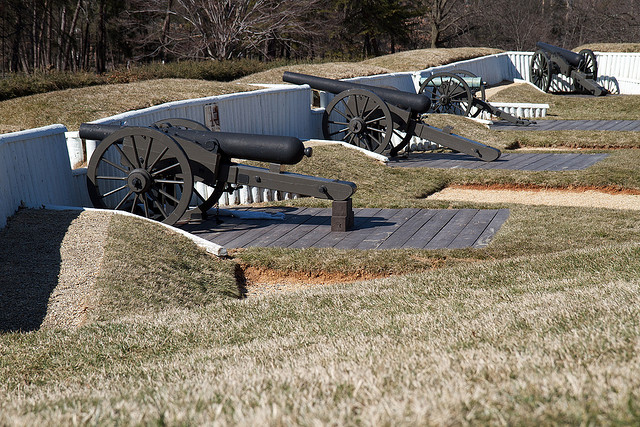
There wasn’t much to Fort Ward. It was billed as the best preserved Civil War era fortification for the defense of the capital across the river, but time had dissolved its significance. A half dozen painted black field pieces pointed out over a citadel-pointed earthen embankment. It was a park now. Gay couples walked apartment-appropriate dogs. Everything had to be kept on a leash. Fort Ward had never had to face an enemy. Now it looked to be defending itself against the interstate just to the north and the Catholic middle school campus off to the west. The screams of a girls’ soccer game blended with the freeway traffic growl through the spring-bare trees. The most symbolic thing about the place was the way the mouths of all the cannons had been sealed shut with cemented-in cannon balls. Of course that was only to keep them from filling up with trash, like the little bags of poodle shit that the leashed humans carried.
Dominick had never been here before. He had only recently discovered his interest in old battle fields and abandoned forts. One of the fine things about such places was that he usually had them pretty much to himself. This was true of Fort Ward on a Saturday morning. There was always a silence in these places that was different than other silences, as if even the birds kept their mouths shut out of respect or fear or shame, as if the place had a memory. In 1861, after the disaster of First Manassas, there had been just sketchy emplacements like this one to halt a Confederate drive on Washington. What if the war had started and ended that way with a first move checkmate by the rebels?
Dominick had brought his camera, but there really was nothing to photograph. He was glad for that. The mood he was in, any photos would have come out bad anyway; and the weather had changed, a low front rolling in and blocking the sun. He debated driving out to Manassas, less than an hour away. But what was the point if it was going to rain? He did not want to return to the feminine den of his mother’s house, that occupied territory. Alexandria had been the longest occupied city in the civil conflict, seized and held by Federal troops from the beginning to the end of the long war, the War of Northern Aggression. By the end of the war half of the city’s population would be freed black slaves. “Contraband” they were called, as if giving them a made-up name would somehow disguise them as just property.
What Dominick liked about the past was that you could move around in it, take your time, linger and ponder, even go back to look at things again with second thoughts. Not like the present where you were always being hurried along lock-step, caught in some involuntary race to keep apace, or the future, populated with the ghosts of what-might-become. You could live in 1861 as long as you chose to. He wanted a camera that could take pictures of the past, sepia-toned photographs of men in rumbled clothes leading wasted horses through a blasted treeless landscape. A siren passed on the interstate, whooping like some android Indian. Or was it a digitalized rebel yell? The past was also soundless. He couldn’t remember the sound of his mother’s voice. No one ever spoke in his dreams. Only the present came with a soundtrack. He wondered about deaf peoples’ sense of time without that parameter.
“Hey, you, come down from there. You can’t walk up there.” A black man in some sort of uniform was yelling at him.
Dominick had hiked up to the top of the fortification’s earthen embankment, trying to imagine vanished geography.
“That there is one hundred and fifty years old. You can’t walk up there.”
“I am descending,” Dominick said, then he snapped a photo of the man. A combatant, he thought. Contrabands had built most of these places. It began to rain, big random drops the color and size of bullets.
——- *——
We race for Richmond and beyond. Our speed locked in by those around us. For the hyper there are express lanes. Twenty cars pass us for every semi we leave behind. But the country opens up into America, and the poetry begins to creep in through place names—Scratch Kettle, Red Toad Road, Powhite Parkway. Sometimes names on the land are all that is left to awaken us from time’s coma, the present.
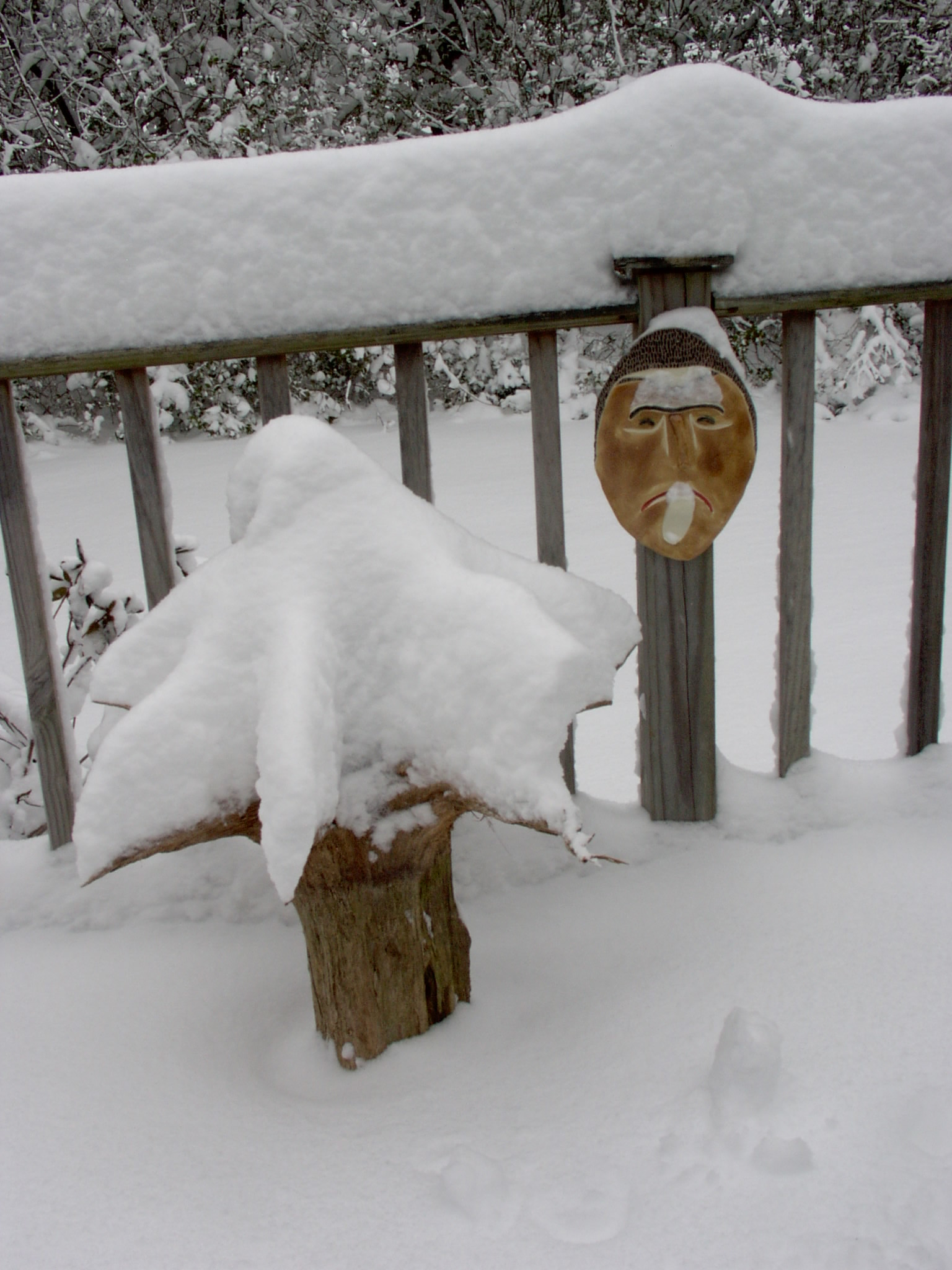 Connie and I waited out winter storm Juno before departing Rhode Island. Juno, the premiere Roman goddess, ancient defender of women’s rights. American Christians put up with this? An 80-hour chunk of the news cycle dedicated to a pagan goddess with feminist tendencies? Ask Jupiter about it, as always unattributed. I paid $50 to have our Toyota shoveled free. Juno was trying to keep us home, together by the wood stove. Hearth and home—the nucleus of female power, the core of distaff gravity. The road, the edges, those were male worlds. It was always the men who wandered away, the males that expanded the gene pool by arriving somewhere else.
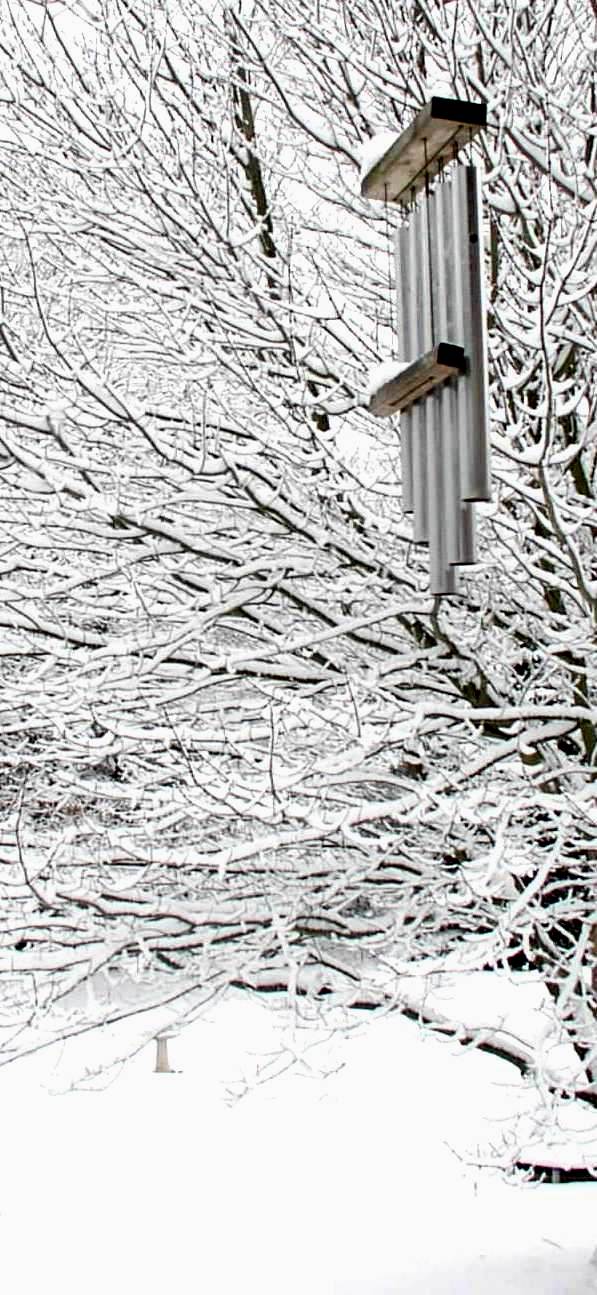
Only, it was Connie who wanted to hit the road. “Snow? So what? Let’s go.” Come to think of it, when you see photographs of refugees, they are most often women, women and children. Connie was a willing refugee from winter; she was taking me with her. The derogatory term is snow birds—those geriatrics free enough to flee the northern freeze, to escape the torture of winterboarding. Derogatory based on envy. I like being referred to as a bird, even metaphorically.
For 26 years I had lived in the southern hemisphere tropics, where winter meant basically a little less rain and different plants blooming. I had a six-foot high poinsettia plant in my back yard that I had to cut back every 4th of July because it went crazy. I never wore shoes. The only snowballs we had was when I defrosted the freezer, and they did not last long. We tossed them off the balcony to die.

It would be nice to be warm again, to shed these layers of clothing. Connie is right. We are out of here. It is primordial. The womb was warm, and death is cold. Head south.
Headed south. Once they started naming winter storms, I knew we were in trouble. I grew up in Buffalo, where winters were something to be forgotten, not personalized and memorialized. Connie and I are escaping, driving to Florida, a couple of geriatric snowbirds. We will take our time. No one is chasing us. It puts me in mind of another trip, 45 years ago.
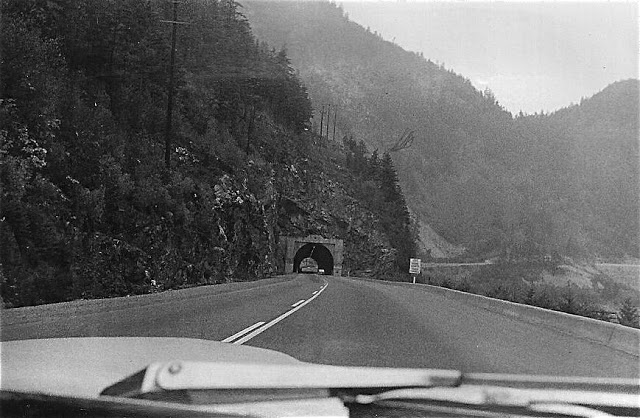 It was a month after the killings at Kent State, June 1970. Linda and I chose to drive across Canada rather than the dangerous States from Berkeley to New Jersey to spend the summer with her family at the shore. It meant an extra thousand miles or so in our ten-year old MGA, but it was also new country for us—Oregon, Washington, Vancouver, British Columbia, Alberta, Saskatchewan, Manitoba. It went smoothly enough. We blew a grease seal on the left rear wheel in Moose Jaw, but I found a mechanic to replace it. I’d had a luggage rack attached to the rear trunk lid. Most of our luggage was strapped on there beneath a tarp. Linda wore a Mexican serape.
For most of the 1400 miles across the Canadian high plains we had the two-lane blacktop of the Trans-Canadian Highway pretty much to ourselves. Empty, empty country. Cool sunny days. We drove with the top down. We spent the nights at cheap motels. Near Winnipeg we heard that the road farther east to Thunder Bay and Sault Ste. Marie was much too rough for our little sports car. We were advised to head south from there, to North Dakota. We reluctantly followed the advice.
It was strange to feel trepidations about returning to your own country. In the weeks before we left Berkeley, I had been involved in the campus-wide protest and strike against the war in Vietnam. I was in grad school at Cal, in the Anthro Department. I was spokesman for our program’s group. I had been tear-gassed and chased, attacked and retreated, been at every demonstration and confrontation. Governor Reagan made sure that there were as many troops as students on the campus. After a while, it was more than just a protest against the war; it was a fault line splitting society. And the other side had both the weapons and the dispensation to do as they pleased. The semester ended in hiatus. Incompletes all around. Linda was tired of it. She missed her family and her home away from such confusion. We packed and headed north.
Picture: a small, pale blue, foreign sports car with California plates, its back piled with luggage beneath a dark blue tarp. Up front, a hippie couple—he bearded, his long hair flying behind him in the top-down breeze; she, a small dark beauty in a Mexican serape. Our arrival at the lonely U.S. border crossing station was probably the event of the day, if not the week. A squad of brown-uniformed officers surrounded our car—amused happy faces. One officer, laughing, motioned for me to drive forward and pull off into a parking lot. Linda grabbed my arm. “Whatever you do, don’t let them take me away. I must stay with you. Don’t do anything stupid.”
It took more than an hour, but they did not try to take either of us away. One officer checked all our papers, while another proceeded to unpack the car. Everything came off of and out of my carefully packed little blue chariot. Every piece of luggage was unpacked, its contents spread across the macadam. My tennis balls were bounced. Linda’s perfumes were all sniffed. Nothing was left unfondled. As he went about his deconstruction, the officer made verbally clear how much he despised us and what we stood for. He had a son who was a pilot in Nam, and as far as he could tell we were his son’s enemy. Etc. He had a point, and he kept repeating it. Linda held onto my arm, but I wasn’t going to say anything. Finding nothing, he finally left. It took us more than an hour to repack. All of this inside a cloud of mosquitoes, the big ones.
But our real welcome back to America did not happen until later that day, around dusk, as we pulled into Fargo. We had not eaten since breakfast, and there up ahead were the golden arches of a McDonald’s. We laughed. Why not? A classic American meal to welcome our stomachs back to their homeland. No drive-through for this occasion. We parked and went in. There were no other customers. We stood there, looking up at the menu above the counter, trying to decide what to order.
“No, no, man. It’s the real fucking thing,” someone said. I looked down, and the two counter boys in their matching uniforms were gawking at us. “Hey, hey! Come here! Look!” Within a minute, the entire staff of the place was standing behind the counter, staring and laughing. The girls were pointing at Linda. “Hippies,” someone said. “Well, I’ll be.”
We left without ordering. I don’t remember where we ate that night, but I will always remember Fargo.
New Year’s Eve. The problem with New Year’s resolutions is just one letter. They should be New Year’s revolutions. Action in place of intentions. We can’t wait around much longer for someone else to stand in front of the metaphoric tank.
Big words. No tanks tonight here in the Rhode Island woods, and it’s freezing out there. But 2015 has an ominous ring to me. My 70th year, so I won’t be taking it to the streets again, and as an impoverished pensioner I have no political power. I am just a writer, who has always felt that evil fed on failed communication. The source of evil is a Jesuitical obsession.
 John Enright: Reality Salad